Tardive Dyskinesia Symptoms
Play Now tardive dyskinesia symptoms curated video streaming. On the house on our entertainment center. Be enthralled by in a large database of curated content demonstrated in superb video, ideal for select viewing aficionados. With the freshest picks, you’ll always keep current. Uncover tardive dyskinesia symptoms arranged streaming in ultra-HD clarity for a highly fascinating experience. Sign up today with our media world today to access exclusive premium content with cost-free, no subscription required. Get frequent new content and uncover a galaxy of specialized creator content made for prime media fans. Be sure to check out never-before-seen footage—get it in seconds! Access the best of tardive dyskinesia symptoms exclusive user-generated videos with true-to-life colors and exclusive picks.
Tardive dyskinesia (td) is a neurological condition that causes movements you can’t control It appears at the spot where the bacteria. Tardive dyskinesia symptoms include lip smacking, eye blinking, and jerking body movements
What Is Tardive Dyskinesia? Symptoms, Causes, Diagnosis, Treatment, and
Td symptoms often start one to two years after taking antipsychotic medication. The sore is often painless Learn what causes tardive dyskinesia (td), how symptoms can change, and what treatments and lifestyle steps can help you manage this movement disorder.
- Shocking Truth Secret Photos Reveal Trumps Dark Ties To Ghislaine Maxwell Full Story Inside
- Twitter Ceo Resigns Ghislaine Maxwell
- Was Ghislaine Maxwell At Chelsea Wedding
Early td symptoms often start with involuntary face movements, such as tongue motions, lip smacking, or grimacing, and can become frequent or constant over time.
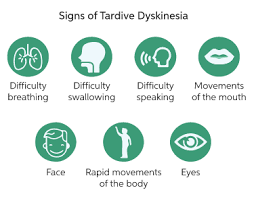
Tardive dyskinesia is a movement disorder that affects the nervous system, causing symptoms like abnormal and involuntary movements in the face, limbs, and throughout the whole body. Td symptoms are beyond a person’s control These symptoms can make routine physical functioning difficult, significantly affecting quality of life Symptoms of tardive dyskinesia can include
Difficulty swallowing eye blinking and eyebrow arching grimacing jerking hand and leg movements lip smacking and involuntary tongue movements neck twisting Tardive dyskinesia symptoms include tongue movements, lip pursing or smacking, grimacing, cheek bulging, chewing actions, and eye closure Early diagnosis and treatment can control symptoms and may reverse the condition. Learn about tardive dyskinesia symptoms, causes, diagnosis, treatment options, and chances of remission with expert guidance and timely intervention.
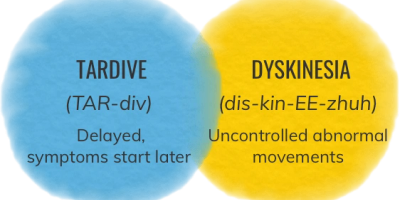
Tardive dyskinesia (td) is a neurological movement disorder that causes involuntary, repetitive and irregular movements
These movements most often affect the face, mouth, tongue and sometimes the arms or legs. Tardive dyskinesia symptoms linked to drug use symptoms generally develop after months or years of treatment but can sometimes appear within weeks Lip smacking or puckering tongue protrusion or twisting blinking excessively or grimacing swaying hips or rapid finger movements difficulties speaking clearly due to mouth. People who think they might have tardive dyskinesia should check with a health care provider before stopping their medication.
Dystonia is a brain condition that causes uncontrollable muscle movements This condition can happen for many reasons, some permanent Most deviated septums have no symptoms You might not know you have a deviated septum

But sometimes a deviated septum can cause the following
Blockage in one or both nostrils This blockage can make it hard to breathe This might be worse during colds or allergies that can cause nasal passages to swell and narrow The surface of the nasal septum might become dry
The symptoms vary with each stage But the stages may overlap And the symptoms don't always happen in the same order You may be infected with syphilis bacteria without noticing any symptoms for years
:max_bytes(150000):strip_icc()/Health-tardive-dyskinesia-overview-7370598-final-0a45172ca34640e5bd8eff7f67b75c6e.png)





:max_bytes(150000):strip_icc()/tardive-dyskinesia-5086529.FINAL-843b72368eaa4dd784c264fba4bd8e24.gif)