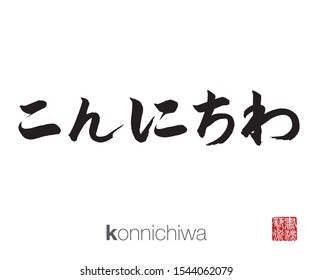
Konnichiwa
Access Now konnichiwa top-tier broadcast. Without subscription fees on our viewing hub. Surrender to the experience in a enormous collection of videos demonstrated in Ultra-HD, designed for premium viewing viewers. With content updated daily, you’ll always stay current. Locate konnichiwa curated streaming in breathtaking quality for a truly engrossing experience. Enter our digital hub today to get access to subscriber-only media with at no cost, no recurring fees. Look forward to constant updates and uncover a galaxy of unique creator content perfect for top-tier media enthusiasts. Act now to see hard-to-find content—get it fast! Experience the best of konnichiwa exclusive user-generated videos with amazing visuals and selections.
Konnichiwa is one of the first words you learn in japanese In this article, we will explore the secrets behind the word konnichiwa. Learn its meaning and how to say good afternoon in english!
Just Another Day in Japan: Konnichiwa or Konnichiwa?
Konnichiwa is a formal japanese greeting that means hello, good afternoon, or good day It is generally translated as good afternoon and also hi and hello, but why is such a word, usually used in the afternoon, also mean hi Learn the real meaning, when and how to use it, and what to reply to it, as well as other greetings for different times of the day.
- This Shocking Collage Proof Connects Donald Trump Directly To Epsteins Sex Trafficking Ring Its Worse Than You Thought
- Shocking Lawsuit Virginia Roberts Giuffre Accuses Ghislaine Maxwell Of Covering Up Leaked Sex Tapes
- Trump Clemency Ghislaine Maxwell
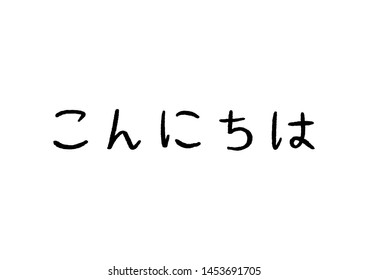
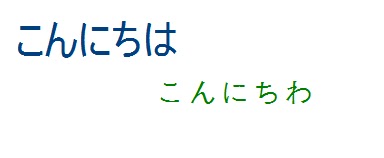
Even Native Speakers Get Confused Now you know if you should wr ite Konnichiwa こんにちは or こんにちわ. It has to be the former becauseこんにち is the topic of the original phrases and hence, has to be marked with the particle は WA. However, you may see even Japanese native speakers often spell it こんにちわ or.
Conclusion “konnichiwa” is more than a simple greeting — it’s a reflection of japanese values like politeness, mindfulness, and respect By understanding when and how to use it, you not only improve your japanese communication skills, but also show appreciation for the cultural nuances behind the language. Meaning of konnichiwa (こんにちは) the expression ‘konnichiwa’ is a very common japanese greeting used to wish someone a hello or good day or afternoon (depending on the time of day) Most japanese people even use ‘konnichiwa’ as a way to say ‘goodbye’ to each other.
Learn the meaning, usage, and variations of konnichiwa, the most common greeting in japan Find out how to write it in hiragana and kanji, how to respond, and what to say in different situations. If you want to say hello or wish someone a good day or good afternoon in japanese the word you want to use is konnichiwa, which is a shortened version of a full greeting. Faq what does konnichiwa mean in english

“konnichiwa” is a common japanese greeting that translates to “hello.” however, the most appropriate english equivalent can vary depending on the time of day.
The meaning of konnichiwa (こんにちは) in english is “hello”, “good afternoon”, or “good day” Since it’s a polite phrase, it’s best suited for neutral and formal situations. One of the most familiar greetings, both in and outside of japan, is “konnichiwa (こんにちは)” Though often translated as hello, this phrase carries deeper cultural meaning and specific usage rules.
The expression ‘konnichiwa’ is a very common japanese greeting used to wish someone a hello or good day or afternoon (depending on the time of day) Konnichiwa is a greeting used during the day, particularly in the afternoon It originates from a longer phrase, such as konnichiwa, gokigen ikaga desu ka? meaning how are you today? over time, the latter part of the phrase was omitted for simplicity. If you want to greet someone in japanese by saying hello, good day, or good afternoon, the word you want to use is konnichiwa

Konnichiwa does not mean not good morning (ohayō gozaimasu), but no one will be offended if you do use it in the morning.
People usually don't talk like that anymore, except in anime. You can use it during the day when greeting anyone, regardless of their social status. Have you heard of the japanese word konnichiwa



![[English] Hello! konNichiwa! by Moon Stamp sticker #5148879](https://sdl-stickershop.line.naver.jp/products/0/0/1/1126108/android/stickers/5148879.png;compress=true)
![[English] Hello! konNichiwa! by Moon Stamp sticker #5148870](https://sdl-stickershop.line.naver.jp/products/0/0/1/1126108/android/stickers/5148870.png;compress=true)

