Crab Spider Nude Hunt Exposed: What Scientists Are Hiding From You!
Watch For Free crab spider nude hunt exposed: what scientists are hiding from you! deluxe online playback. Without any fees on our media hub. Explore deep in a massive assortment of expertly chosen media exhibited in best resolution, the best choice for discerning watching fans. With the freshest picks, you’ll always have the latest info. Experience crab spider nude hunt exposed: what scientists are hiding from you! personalized streaming in life-like picture quality for a mind-blowing spectacle. Access our creator circle today to browse private first-class media with with zero cost, no subscription required. Get access to new content all the time and discover a universe of specialized creator content optimized for top-tier media junkies. Don’t miss out on hard-to-find content—download now with speed! Get the premium experience of crab spider nude hunt exposed: what scientists are hiding from you! original artist media with brilliant quality and select recommendations.
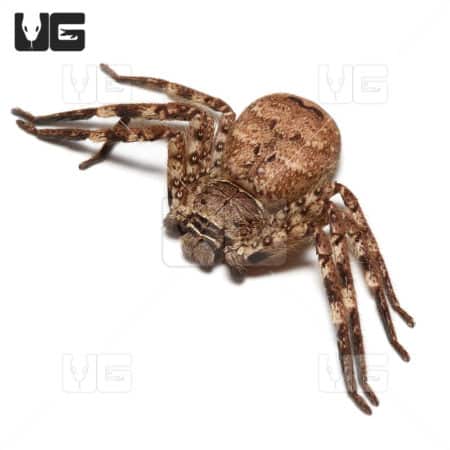
Crab spiders are a family of small, pretty spiders, some of which you could find in your own backyard or even on a potted plant Ground crab spiders prefer to hunt near the ground (as opposed to catching prey in a web). They are coloured to blend in remarkably with their surroundings, much like an octopus.
The giant spider crab is the largest... - Marine Biology News | Facebook
Misumena vatia is a species of crab spider found in europe and north america In aggressive mimicry, predators or parasites lure and attract prey by falsely imitating the signal of a model 5, 8 In north america, it is called the goldenrod crab spider or flower (crab) spider,[1] as it is commonly found hunting in goldenrod sprays and milkweed plants
- Was Ghislaine Maxwell Given Bail
- Leaked Unsealed Ghislaine Maxwell Documents Pdf Shocking Sex And Power Exposed
- Explosive Leaked List Names On Maxwells Sex Party Log Linked To Trump Admin
They are called crab spiders because of their unusual ability to walk sideways as well as forwards and backwards.
The specific hiding spots for crab spiders are determined by the hunting niche they occupy, which relies heavily on cryptic coloration One crab spider species takes this further by resembling bird droppings Prey insects can see the spider perfectly well but don’t register it as a threat, allowing the spider to strike from what appears to be a splatter of waste. Ontogeny changes the colour defences of a crab spider hiding as bird droppings school of life sciences, hunan normal university, changsha, china