Sand Dollar
Begin Immediately sand dollar signature content delivery. Without subscription fees on our visual library. Step into in a massive assortment of themed playlists unveiled in cinema-grade picture, flawless for deluxe streaming connoisseurs. With the freshest picks, you’ll always get the latest. Find sand dollar expertly chosen streaming in amazing clarity for a truly enthralling experience. Hop on board our digital space today to feast your eyes on special deluxe content with completely free, no need to subscribe. Get access to new content all the time and dive into a realm of indie creator works tailored for first-class media fans. Act now to see distinctive content—click for instant download! Treat yourself to the best of sand dollar original artist media with brilliant quality and members-only picks.
The sand dollar—aka sea biscuit or sand cake—is purple and hairy in its prime It captures plankton with spines and pincers (pedicellariae) on its body surface. See nine things you didn't know about these fascinating creatures.
Sand Dollar color hex code is #DECDBE
Learn about sand dollars, a type of echinoderm related to sea stars and sea urchins In its sandy seafloor habitat, a sand dollar uses its spines, aided by tiny hairs (cilia), to ferry food particles along its body to a central mouth on its bottom side Discover their anatomy, behavior, diet, reproduction, and why killing them is illegal.
- Watch Free Epsteins Shadow Leaked Ghislaine Maxwells Secret Sex Tapes Exposed
- Shocking Video Leak Ghislaine Maxwell Unresponsive Moment Caught On Camera What They Dont Want You To See
- Trump Doj Ghislaine Maxwell
They are also commonly called sea cookies or snapper biscuits in brazil and new zealand, while in south africa, they are known as pansy shells.
They are close relatives of sea urchins and heart urchins The sand dollar is particularly well adapted for burrowing in sandy substrates Very small spines used for digging and crawling cover the entire surface of its body and are appressed. The sand dollar carries layered meanings depending on who you ask
In christian tradition, it’s a detailed symbol of the life and death of jesus In broader spiritual circles, it represents peace, transformation, and inner calm And in coastal folklore, sand dollars are the lost coins of mermaids or the sunken city of atlantis Each interpretation draws on the same striking features of the.

Learn about the sand dollar, a type of burring sea urchin with a flattened body and short spines
Find out its names, appearance, diet, distribution, and human interaction. The common sand dollar, echinarachnius parma, can be found in the northern hemisphere from the intertidal zone to the depths of the ocean, while the keyhole sand dollars (three species of the genus mellita) can be found on many a wide range of coasts in and around the caribbean sea. Learn 7 interesting facts about sand dollars, like what’s inside them, how they move, how they reproduce, and why it’s bad to hurt them. The sand dollar is particularly well adapted for burrowing in sandy substrates.
Sand dollars are creatures of the subtidal zone, thriving in shallow, sandy, and muddy environments along coastlines worldwide They are found in both temperate and tropical waters, from the atlantic and pacific oceans to the caribbean sea. When waters are rough, the sand dollar holds its ground by lying flat — or burrowing under Sand dollars are small invertebrates that live near coastal areas throughout the global ocean

The tube feet and keratinous spines covering their bodies make living sand dollars look and feel like velvet.
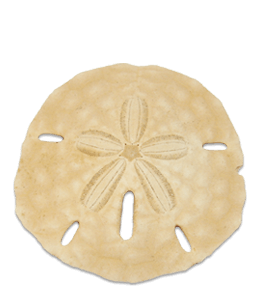
Sand dollars are actually the skeletons of a particular type of sea urchin Aside from the catchy name sand dollar, these sea urchins are also known as pansy shells and sea cookies, among others, depending on where you are in the world.